Fall Prevention and Home Safety for Seniors in Eastern Washington
Remaining safe at home is an important priority for older adults and their families. A fall can lead to injuries, reduced confidence, and difficulty carrying out everyday activities. For seniors living in Spokane, Stevens, Whitman, and Adams counties, identifying household hazards and arranging appropriate support can help create a safer environment while preserving independence.
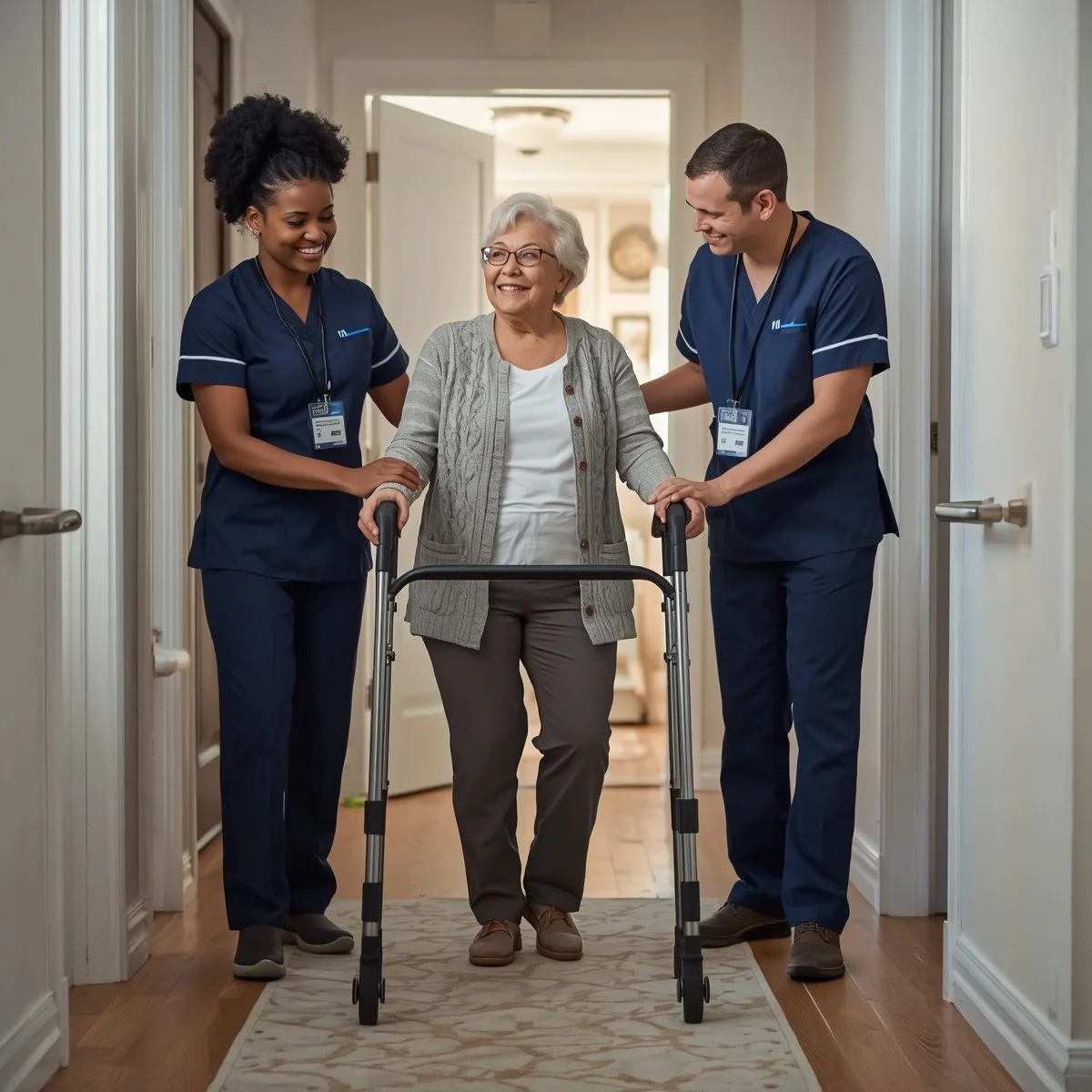
Non-medical care means assistance with everyday living activities that do not involve providing clinical treatment. Depending on the provider's services, this may include companionship, light housekeeping, help with daily routines, and assistance moving around the home. Although nonmedical caregivers can support safer routines, they do not replace medical evaluations, physical therapy, or professional home safety assessments when these are needed.
One of the simplest ways to reduce household hazards is to keep walkways clear. Shoes, electrical cords, loose rugs, and clutter can create obstacles, particularly for people who use canes or walkers. Families can arrange furniture to provide clear pathways and keep frequently used belongings within easy reach. Adequate lighting is also important, especially near stairs, entrances, and routes to the bathroom.
Bathrooms deserve particular attention because wet surfaces can become slippery. Securely installed grab bars, appropriate shower chairs, and suitable nonslip surfaces may help some individuals move more safely. However, products must be selected and installed correctly. Improvised supports or equipment that is unsuitable for the person can create additional hazards.
Mobility aids should be appropriate for the user's needs. Canes, walkers, and wheelchairs can support movement when properly selected and fitted, but an incorrect device may make balance more difficult. Families should consult a qualified healthcare or rehabilitation professional if they are uncertain which equipment is suitable. Regular inspections can help identify damaged wheels, worn rubber tips, or loose components.
Daily habits also matter. Seniors may benefit from taking their time when standing, wearing secure footwear, and keeping commonly used items close by. Caregivers can help maintain uncluttered spaces and assist with agreed daily activities. They should follow the care plan and avoid attempting transfers or other tasks for which they have not been trained.
Families researching non-medical care for seniors should ask providers how caregivers support everyday safety and what procedures are followed when a concern arises. It is important to clarify whether staff are trained in relevant safety practices, how incidents are reported, and when families are contacted. Any sudden change in balance, repeated falls, dizziness, or new confusion warrants appropriate healthcare assessment.
Home safety arrangements should be personalized. A person with good mobility may need only minor household adjustments, while someone with significant balance difficulties may require professional assessment and more substantial changes. Family members should involve the senior in decisions to ensure that modifications respect personal preferences and remain practical.
When selecting a home care provider, families should verify applicable Washington State licensing requirements, review service agreements, and understand caregiver responsibilities. They should also discuss scheduling, fees, and emergency procedures before care begins.
Starlight Homecare Solutions can be a starting point for families exploring everyday assistance at home. By combining practical safety improvements, appropriate equipment, and individualized support, families can help older adults throughout Eastern Washington feel more secure while maintaining as much independence as possible.